The Modern Tamagotchi for Adults: Why Grown-Ups Are Buying Digital Companions Again
Digital companions are back, and this time the buyers have desks and mortgages. What adults actually want from a pocket companion, and how the modern versions differ from 90s virtual pets.
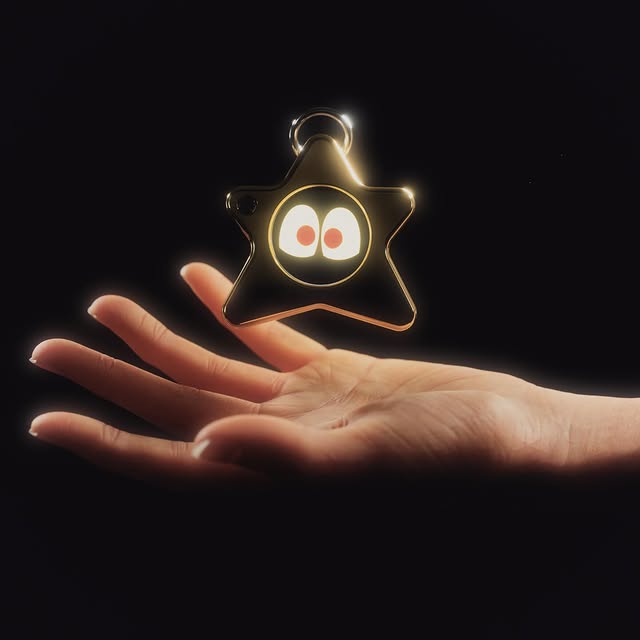
Somewhere between the third productivity app and the hundredth doomscroll, a strange product category came back from the dead: the pocket digital companion. The people buying them are not kids. They are adults who once fed a pixelated egg-creature between classes and now want something similar on their desk — smaller demands, better screen, no guilt spiral when it "dies" during a long meeting. Call it the modern tamagotchi for adults.
We make Oneira, a pocket companion, so we are a participant in this trend, not a neutral observer. With that on the table, here is what is actually driving the comeback, and how to tell a thoughtfully built companion from a nostalgia cash-in.
Why the nostalgia wave hit now
The kids who raised virtual pets in the late 90s are now in their thirties and forties, with disposable income and a complicated relationship with screens. Their phones deliver everything and soothe nothing. A companion device is almost the perfect counter-object: it is a screen that wants nothing from you — no notifications to triage, no metrics to check, no algorithm auditioning for your attention.
There is also a broader pattern at work. Vinyl, film cameras, and mechanical keyboards all returned as deliberate, tactile alternatives to frictionless digital defaults. Digital companions fit the same shape: a single-purpose object that does one emotionally legible thing, in an era when every device tries to do everything. And unlike vinyl or film, a companion device is not a worse version of a modern tool — there is no smartphone feature it competes with, because no phone is trying to simply keep you company.
What adults actually want from a companion device
Adults do not buy these for the reasons kids did. The 90s appeal was responsibility-as-game: feed it, clean it, keep it alive. The adult appeal is closer to the opposite — presence without obligation. Three motivations come up again and again:
- Comfort object. A small character that seems glad you exist is a low-dose mood lifter, the desk equivalent of a sunny window. It asks nothing and judges nothing.
- Desk presence. Remote work made desks lonelier. A companion adds a flicker of life to a workspace — something that moves, reacts, and changes across the day, without being a distraction you have to manage.
- Low-stakes care. A little ritual of attention — glancing over, noticing a mood — scratches the caretaking itch without the consequences. Nobody wants their desk toy to punish them for taking a vacation.
90s virtual pet vs. modern companion device
The lineage is real, but the differences are structural, not cosmetic. Here is the honest comparison:
| Dimension | 90s virtual pet | Modern companion device |
|---|---|---|
| Expressiveness | A few pixels and beeps | An animated face capable of actual moods and micro-expressions |
| Relationship model | Neglect is punished — it sickens or dies | Presence without punishment; it has moods, not ultimatums |
| Attention model | Interrupts you on its schedule | Available when you look, quiet when you do not |
| Business model | One-time toy purchase | Varies — some are subscription services in disguise; the good ones are still just objects you own |
| Connectivity | None | Varies — some require accounts and feeds; the best require neither |
That last two rows are where adult buyers should slow down. Plenty of modern "companions" are really apps wearing a plastic shell: they need an account, push a social feed, and stop working — or start nagging — when a subscription lapses. A companion that can be turned off by a server is not entirely yours. Before buying any device in this category, find out what happens if you never install the app and never pay another dollar. The honest products will answer that question on the box.
Where Oneira fits
Oneira is our answer to that checklist. It is an expressive pocket companion by JML Tech Studios: an animated face, wandering eyes, and moods that shift through the day. It costs $139, once. No feed, no subscription, no app account requirement. It sits on a desk or rides in a pocket and does the one thing this category should do — be a small, live presence that wants nothing from you.
It comes in eight editions, all at the same $139: Snow, Lilac, Azure, Midnight, Aluminum, Crystal, Stainless, and Brass. Beyond the companion itself, the device code unlocks Oneira Dream, a private AI-photo experience where the original camera frame is never saved and generated photos auto-delete after 24 hours. There is also an optional community layer, Oneira IRL, with monthly photo challenges and a creator of the week — a website you can visit, not a feed the device pushes at you.
The practical details, stated plainly: Drop 01 is 500 paid units total shared across all eight editions, with a live availability counter on the preorder page. Shipping is US-only, no later than December 24, 2026. There is a 24-hour buyer-remorse cancellation window and a 90-day limited hardware warranty. If Drop 01 sells through, Drop 02 opens March 31, 2027 as a waitlist.
Is a digital companion actually worth it?
Honest answer: not for everyone. If a small animated character on your desk sounds like clutter, it is — skip the category entirely, ours included. A companion device earns its price only if you are the kind of person who names their houseplants, still thinks fondly of a keychain pet from 1998, or wants one object in their day that is alive-ish and agenda-free.
For that person, the modern versions are quietly great. They kept the charm of the originals, dropped the guilt mechanics, and — in the good cases — refused the account-and-subscription machinery that infected every other gadget. That restraint is the real upgrade, more than any screen spec.
Meet Oneira — reserve in Drop 01
$139, eight editions, 500 units · no feed, no subscription, no app account
And if you want a taste of Oneira's personality before spending anything, Dream Sketch is our free browser toy: type last night's dream and get a unique generative artwork, with nothing you type ever leaving the browser.
Frequently asked questions
- What is a modern tamagotchi for adults?
- A pocket or desk companion device with an expressive animated character, built around presence rather than obligation. Unlike 90s virtual pets, the good modern versions have real expressiveness and skip guilt mechanics, feeds, and subscriptions.
- Does Oneira require an app, account, or subscription?
- No. Oneira is $139 once, with no feed, no subscription, and no app account requirement. Optional extras like Oneira Dream are unlocked with the device code, not an account.
- Can Oneira die if I ignore it, like a 90s virtual pet?
- No death states and no punishment mechanics. Oneira has moods that shift through the day — it is designed as a low-stakes presence, not a responsibility simulator.
- How many Oneira units are available and when does it ship?
- Drop 01 is 500 paid units shared across all eight editions, with a live availability counter on the preorder page. Shipping is US-only, no later than December 24, 2026; Drop 02 opens March 31, 2027 as a waitlist.