AI Companion Devices in 2026: A Buyer's Guide to a Strange New Category
Companion hardware is having a moment, and the category is a minefield of subscriptions, dead-company bricks, and vague privacy policies. Here is what to evaluate before you buy one.
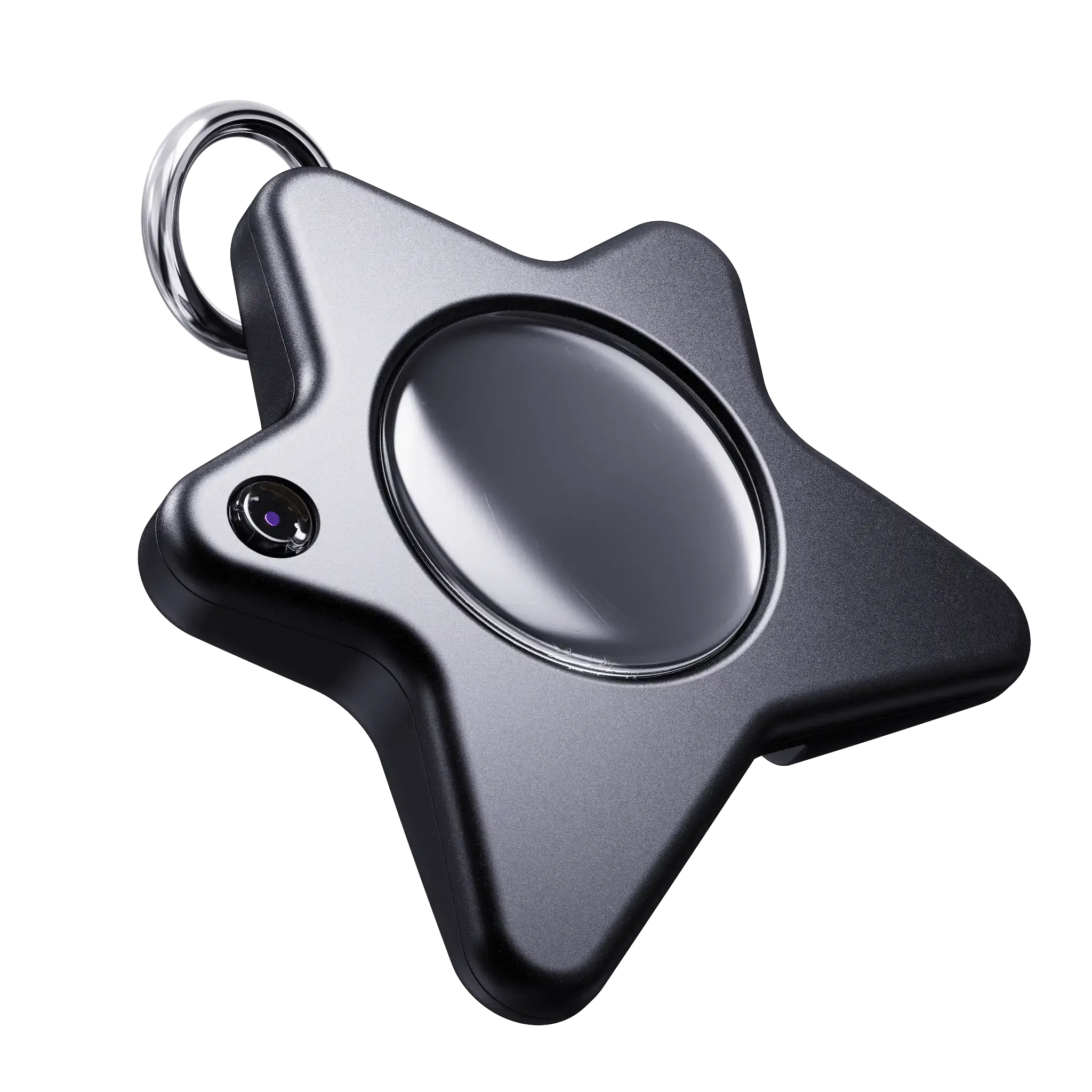
A new shelf has appeared in consumer tech: small devices sold not as tools but as company. Desk robots that track your face, wearable pendants that listen, pocket creatures with moods. The pitch varies, but the category — call it companion hardware — is genuinely new, which means the buying wisdom has not caught up with the marketing.
This guide is the checklist we wish every buyer ran before putting money down on any companion device, ours included. Disclosure at the top rather than the bottom: we make Oneira, one of the products in this category, and we will tell you exactly where it sits at the end. Everything before that applies to the whole shelf.
What these devices actually are
Strip away the demos and a companion device is a small computer whose primary output is behavior: expressions, reactions, moods, sometimes conversation. Unlike a smart speaker, it is not mainly a command interface. Unlike a toy, it is sold to adults on the promise of ongoing presence — something alive-ish on your desk or in your pocket.
The category spans a wide range of complexity, from devices that run everything on the hardware itself to devices that are effectively thin screens for a cloud service. That distinction — where does the personality live? — turns out to drive almost every question that follows, because a cloud-dependent companion is only as durable, private, and affordable as the service behind it. It also spans a wide range of ambition: some products promise a conversational relationship, others just a bit of expressive presence. Neither ambition is wrong, but they carry very different obligations, and marketing tends to blur the line.
The four questions to ask before buying
Ignore the launch video. Go find the answers to these four questions, in writing, on the company's own pages.
- What is the privacy stance? Does the device have sensors that capture your environment, and what leaves the device? A companion that lives in your bedroom or pocket deserves more scrutiny than a kitchen speaker, not less. Look for a plain-language answer, not a 40-page policy.
- Is there a subscription, and what dies without it? Many companion devices are priced like hardware but sold like gym memberships. The critical detail is what happens when you stop paying: does the device degrade gracefully, or does the personality you bought get repossessed?
- What happens if the company disappears? Startups fail; that is not a criticism, it is a base rate. If the device depends on company servers, a shutdown can turn it into a paperweight. Ask what functions survive offline.
- What are the warranty and repair terms? Any warranty at all, in writing, beats vague reassurance. Check the length, what it covers, and whether there is a stated cancellation or return window if you get cold feet after ordering.
Red flags worth walking away from
Some patterns show up repeatedly in this category's short history, and they are worth treating as disqualifying rather than negotiable.
- Mandatory account creation before the device does anything. An account requirement is a leash — it means access to the thing you own can be revoked, repriced, or lost with a password.
- A subscription revealed only at checkout or buried below the hardware price. Honest companies put recurring costs next to the sticker price.
- Vague or absent shipping and warranty terms on preorder products — no dated ship commitment, no cancellation window, no warranty length.
- A feed or engagement loop inside the device. If the companion has notifications, streaks, or content to check, it is not an alternative to your phone; it is an extension of it.
- No published terms page at all. If you cannot link to the rules of the purchase, there are no rules.
None of these guarantee a bad product. But each one shifts risk from the company to you, and companion devices already ask for something unusual — a bit of daily attachment. Attachment plus revocable access is a bad trade.
Where Oneira sits
We make Oneira, so this is the maker talking — hold us to the same checklist. Oneira is a $139 expressive pocket companion from JML Tech Studios: an animated face, wandering eyes, and moods that shift through the day. Against the four questions above, here is what we can state plainly.
| Checklist item | Oneira's answer |
|---|---|
| Subscription required? | No subscription, ever. $139 once. |
| Account required? | No app account requirement, and no feed inside the device. |
| Purchase terms | Published drop terms: 24-hour buyer-remorse cancellation, price holds for the whole drop. |
| Warranty | 90-day limited hardware warranty. |
The honest limits, stated just as plainly: Oneira is currently a preorder. Drop 01 is capped at 500 paid units across eight editions, ships US-only, and delivers no later than December 24, 2026 — Christmas delivery is not guaranteed. Drop 02 opens March 31, 2027 as a waitlist that costs nothing to join. Full terms are published at preorder-terms, and you can try the free browser toy Dream Sketch before spending a dollar.
How to actually decide
Start from the role, not the demo. Do you want a conversational assistant, an ambient presence, or a pocket object with character? Those are different products with different risk profiles, and the flashiest demo is usually attached to the most cloud-dependent option.
Then price the lifetime, not the box: hardware cost plus every subscription month you would realistically pay, times the years you would keep it. A cheap device with a mandatory monthly fee routinely costs multiples of a pricier one-time purchase. Finally, read the terms page before the reviews — reviews tell you about week one, terms tell you about year two. If a product has a free demo, browser toy, or in-person community showing, use it; ten minutes with the real personality beats an hour of launch-video supercuts.
See Oneira's terms and Drop 01 availability
$139, no subscription, no account requirement, 90-day warranty. 500 units in Drop 01, US shipping only.
Companion hardware is worth taking seriously precisely because it works on you emotionally — that is the product. Which is exactly why the boring paperwork questions matter more here than anywhere else in consumer tech. Fall for the face if you like; just read the terms first.
Frequently asked questions
- Do all AI companion devices require a subscription?
- No, but many do, and some hide it until checkout. Always check what the device costs per month and — more importantly — what functionality you lose if you stop paying. Oneira, for the record, has no subscription at all.
- What happens to a companion device if the company shuts down?
- It depends entirely on how cloud-dependent the device is. Devices that need company servers for their core behavior can become paperweights. Before buying, get a written answer on what works offline.
- Does Oneira need an app account or an internet connection to a service feed?
- Oneira has no feed, no subscription, and no app account requirement. It is sold for a one-time $139 in limited drops, with published preorder terms, a 24-hour cancellation window, and a 90-day limited hardware warranty.
- Is companion hardware just a gimmick?
- The category is young and uneven, but the underlying appeal — a small physical presence that is not a phone — is real. The gimmick risk lives mostly in cloud lock-in and subscription models, which is why the buying checklist focuses there.